Determining the Value of Your Junk Car
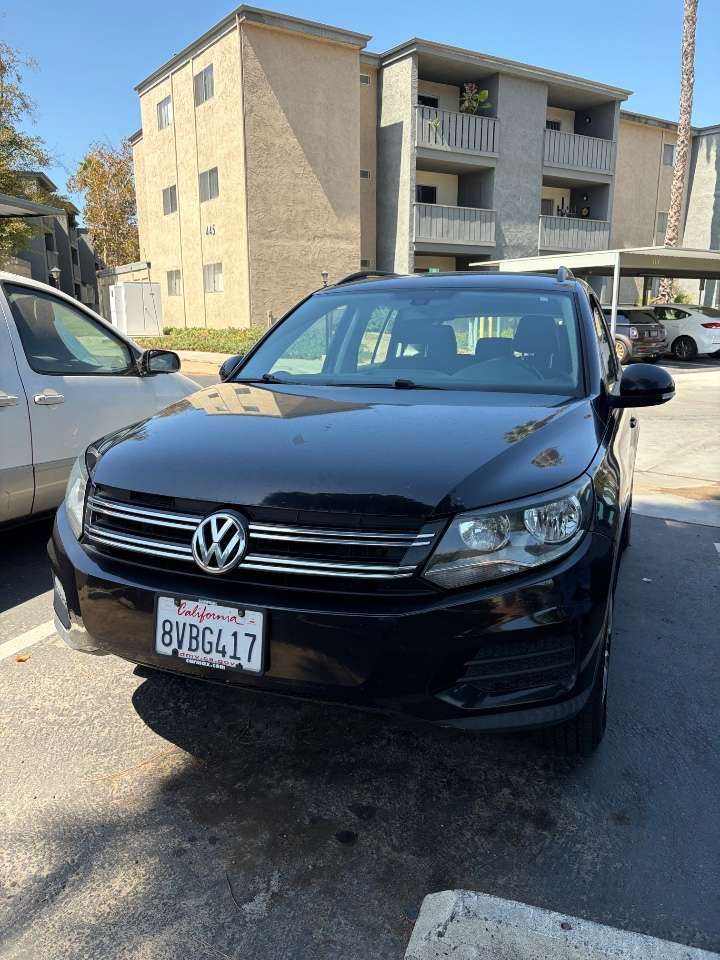
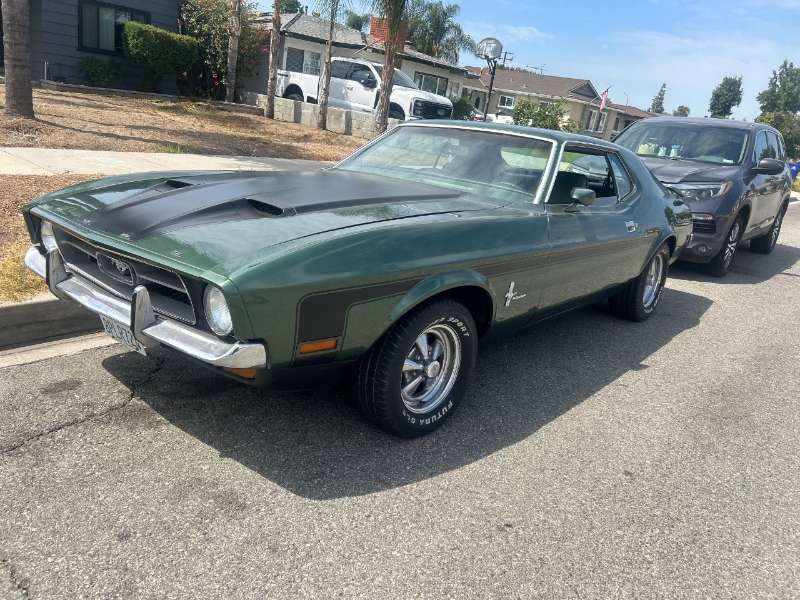
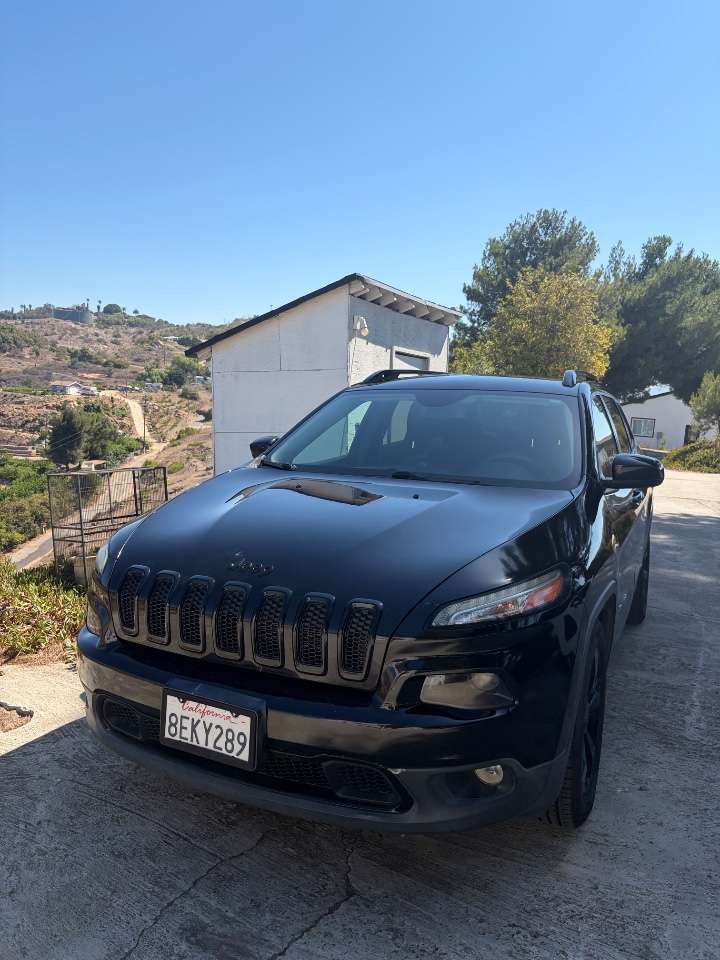
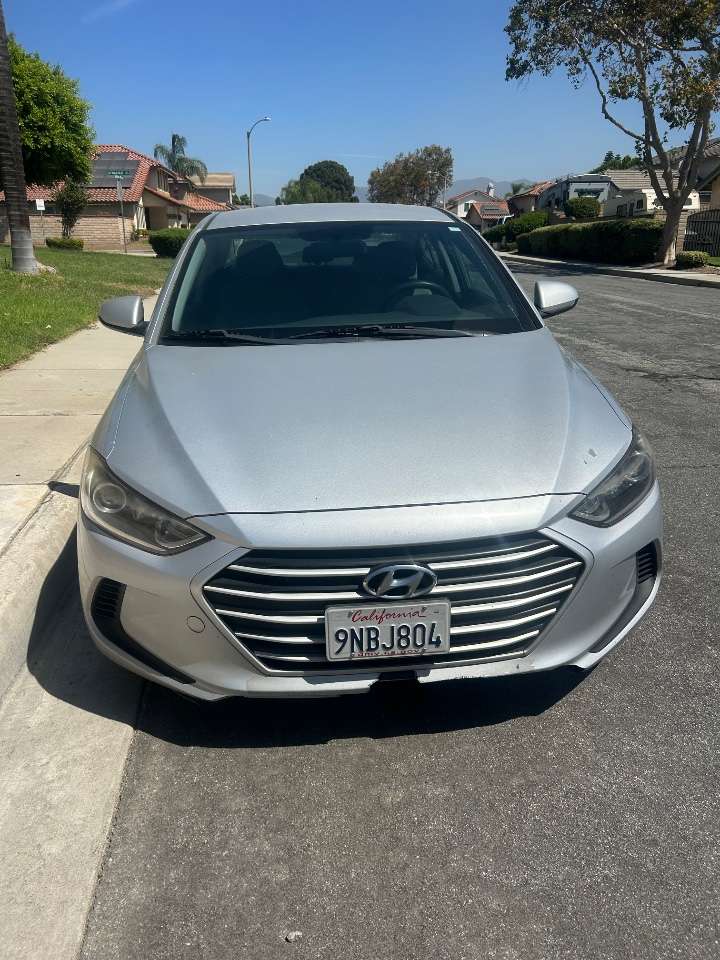
The base value of a junk car starts with its weight, as the steel and aluminum content are sold to recyclers. However, the make, model, and year of your vehicle heavily influence the offer. Vehicles with high demand for salvaged components or those that still possess functional parts often command higher prices.
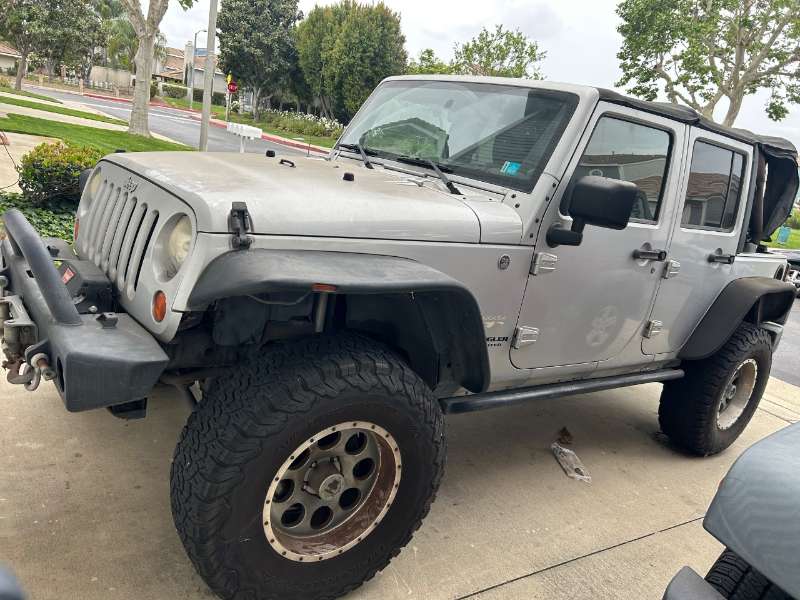
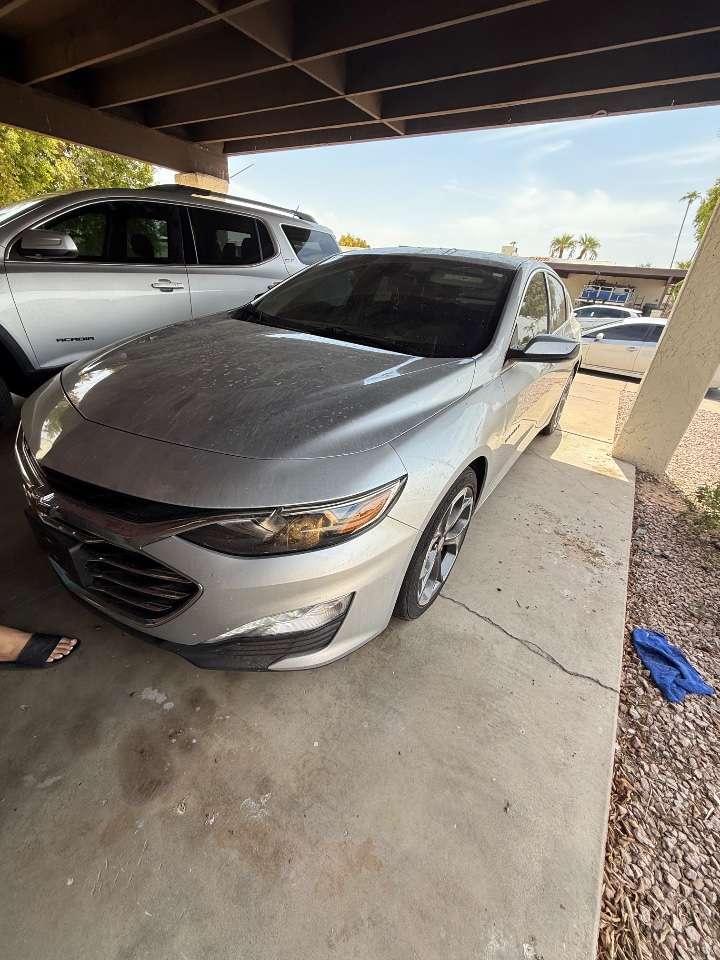
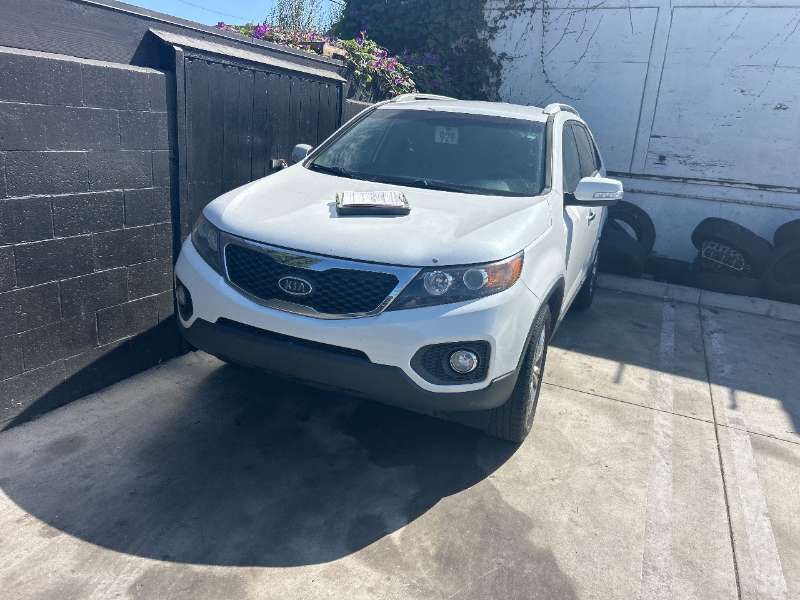
Condition also plays a significant role in your final valuation. While a rusted or crashed vehicle may only be worth its scrap weight, a car with an intact engine or transmission could increase your payout. 1HR Cash for Cars assesses these variables upon inspection, ensuring you receive a transparent offer based on local market conditions across California.
Market Factors and Location
Your location within California affects your offer due to regional towing costs and the local demand for specific vehicle types. Large urban centers might have different demand profiles compared to rural areas, which can influence how a buyer calculates their logistics.
1HR Cash for Cars takes these logistical costs into account to provide you with an accurate offer. We focus on streamlining the entire process by offering same-day towing and same-day payment. This approach helps you avoid the hidden fees often associated with long-distance transport, ensuring that you receive the most value from your transaction while we handle the movement of the vehicle from your premises.
The Role of Documentation in California
Having your Certificate of Title, known as the pink slip, ready is essential. You must sign the document over at the time of pickup to facilitate the transfer of ownership. If you have lost your title, you can contact the California DMV to obtain a duplicate.
Even without a title, we may still be able to help you complete the sale. Once the transaction is finalized, you must file a Notice of Release of Liability with the California DMV within 5 days. This step is critical as it shields you from responsibility regarding any future tickets or tolls incurred after the vehicle is collected.
Navigating Smog Requirements
A common point of confusion for Californians involves smog certification. Generally, sellers are responsible for providing a valid smog certificate when transferring ownership of a gas-powered vehicle. However, specific exemptions exist, particularly for newer models or certain electric vehicles.
Selling a non-running or junk vehicle to a professional buyer like 1HR Cash for Cars often bypasses this requirement, as these vehicles are not intended for immediate road use. It is wise to confirm your specific obligations with the California DMV to ensure you remain compliant with state regulations when you sell your car. Our team is available to assist you in understanding these legal requirements during the process.
Common Mistakes When Selling Your Car
One major mistake is failing to clear personal belongings from the vehicle. Always check under seats, in the trunk, and inside glove boxes for sensitive documents or valuables. Another error is assuming that the condition of your car does not matter.
Be honest about the state of the engine, the presence of specific parts, and the history of the vehicle. Withholding information can lead to complications during the physical inspection. Finally, neglecting the formal notification of the sale to the DMV can lead to unnecessary legal or financial liability. Always prioritize completing your paperwork to protect yourself after your car is towed.